All Open Positions

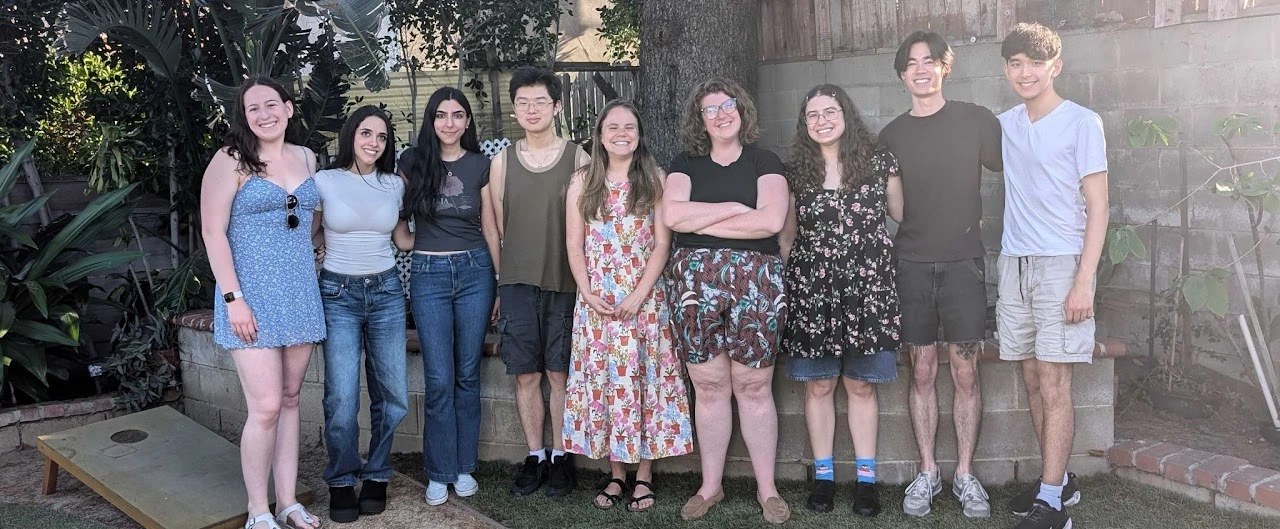
Barber lab cover photo
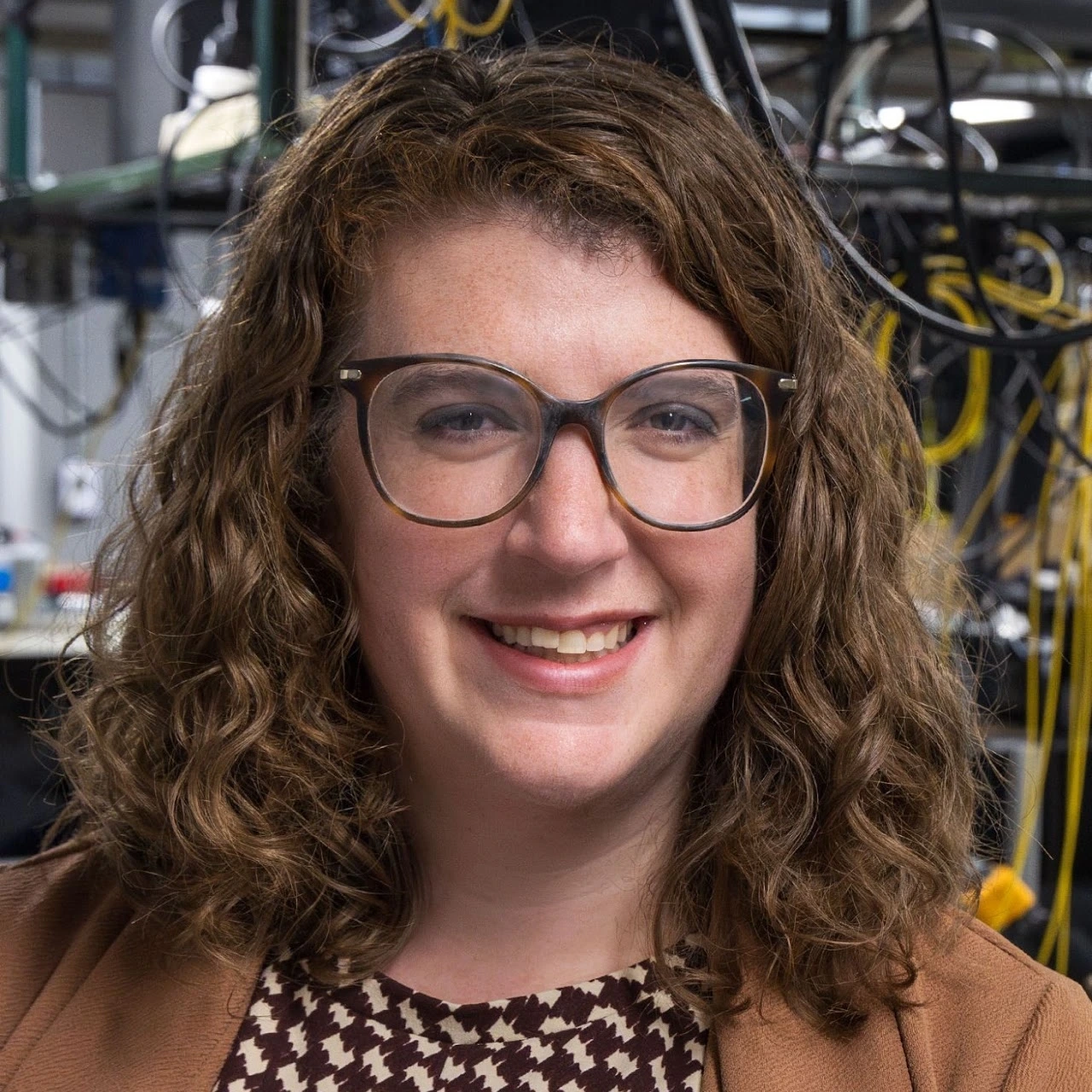
Professor Barber headshot

Professor Barber

We research how chemicals in the atmosphere, like wildfire smoke and other pollutants, evolve and interact with air and surfaces. Our group does lots of different kinds of work, but working in our lab will involve complex instrumentation and advanced data analysis processes.

Required

  • Eager to learn new skills and undaunted by learning independently

Preferred

  • Students who do well in our group often have strong mathematical skills and/or prior experience with coding for data analysis.
  • Chemistry or Atmospheric and Oceanic Science major, or other demonstrated interest in those fields
  • We are most interested in mentoring students who can commit to working in the group for multiple years, and these students are typically sophomores.
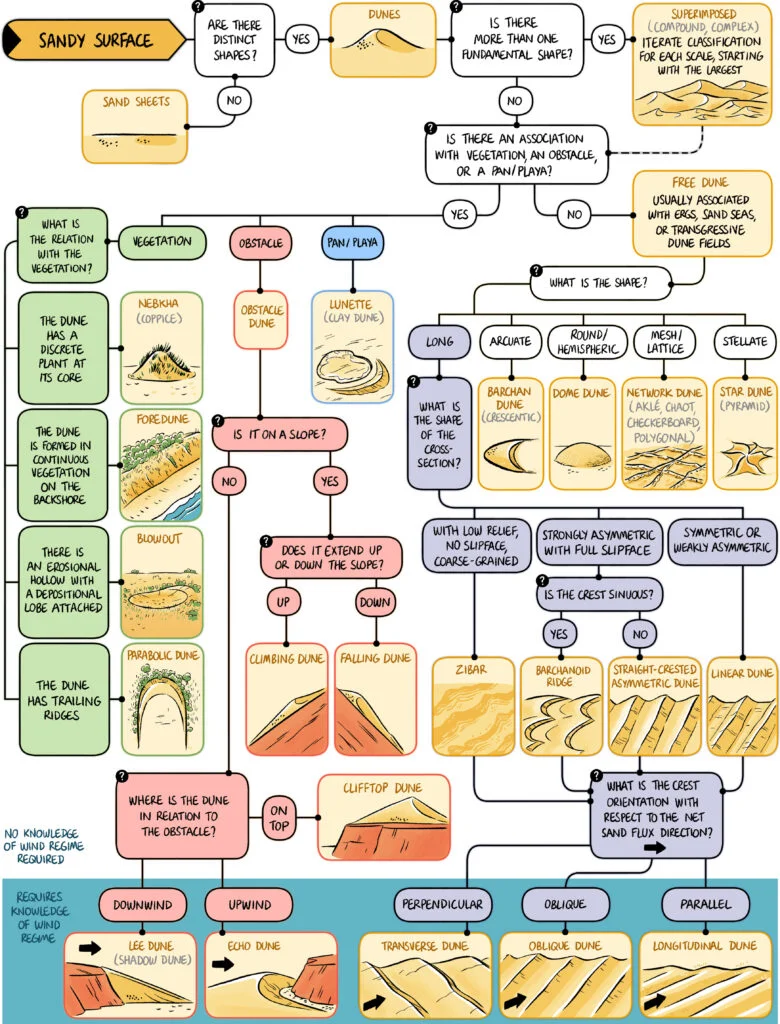
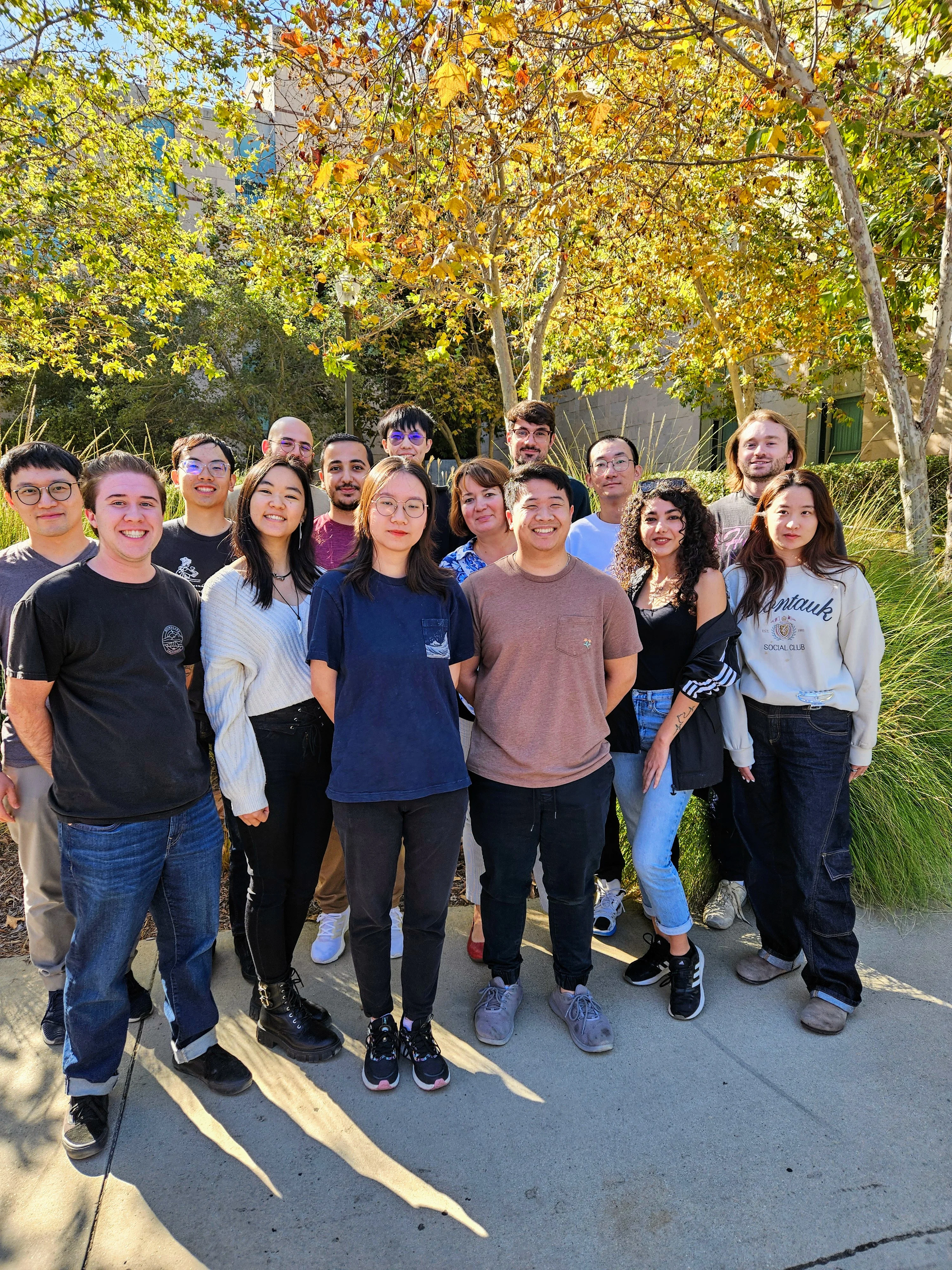
Day lab cover photo
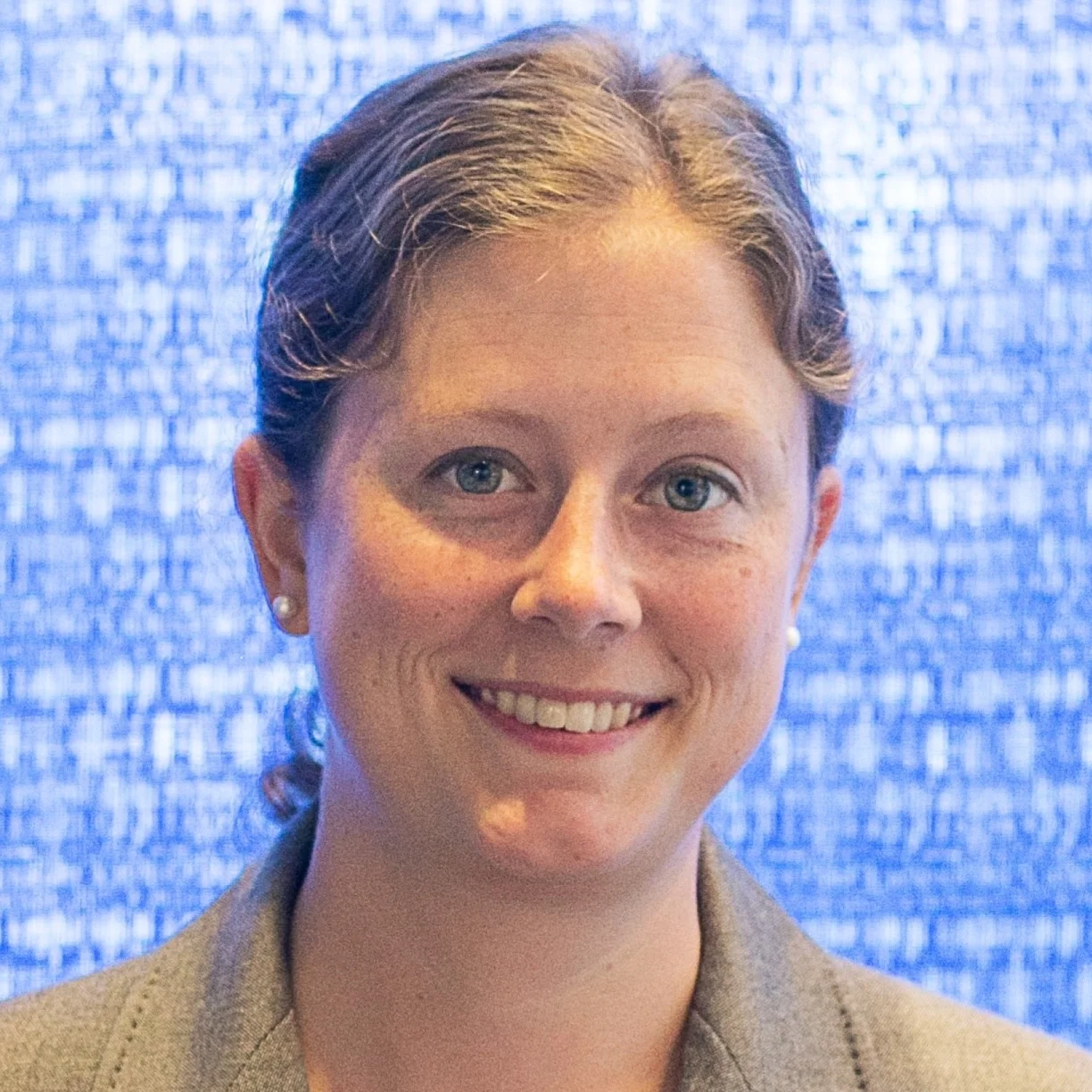
Professor Day headshot

Professor Day

We research how wind shapes landscapes on Earth, Mars, Venus, and other planetary bodies to uncover the universal physics of wind-driven sediment transport. Working in our group will involve collecting field data, running wind-tunnel experiments, processing satellite imagery, or working with numerical models. Different projects in this lab call for different qualifications.
Required

  • No prior background in geology or planetary science is required; reliability, attention to detail, and a willingness to learn our methods matter most.

Preferred

  • (For projects with field work) Able to hike 5-10 miles per day across variable terrain.
  • (For planetary science projects) Students should familiarize themselves with AI tools to navigate large NASA image datasets.
  • (For wind tunnel projects) Comfortable lifting sand bags in and out of the wind tunnel. Students will participate in safety training as part of onboarding.
Diaconescu lab cover photo
Professor Diaconescu headshot

Professor Diaconescu

We research redox-switchable catalysis, where external agents control a catalyst's oxidation state to tune its activity and selectivity, with applications like controlled synthesis of multiblock copolymers. Our distinct approach uses a unique chelating ferrocene ligand platform that exploits subtle electron-transfer and donor-acceptor interactions to control metal-center reactivity.
Required

  • Highly motivated and reliable, learns new techniques quickly
  • Strong background in chemistry
  • Can commit to working in the group for more than 15 hours per week and more than two years
Hauser lab cover photo
Professor Hauser headshot

Professor Hauser

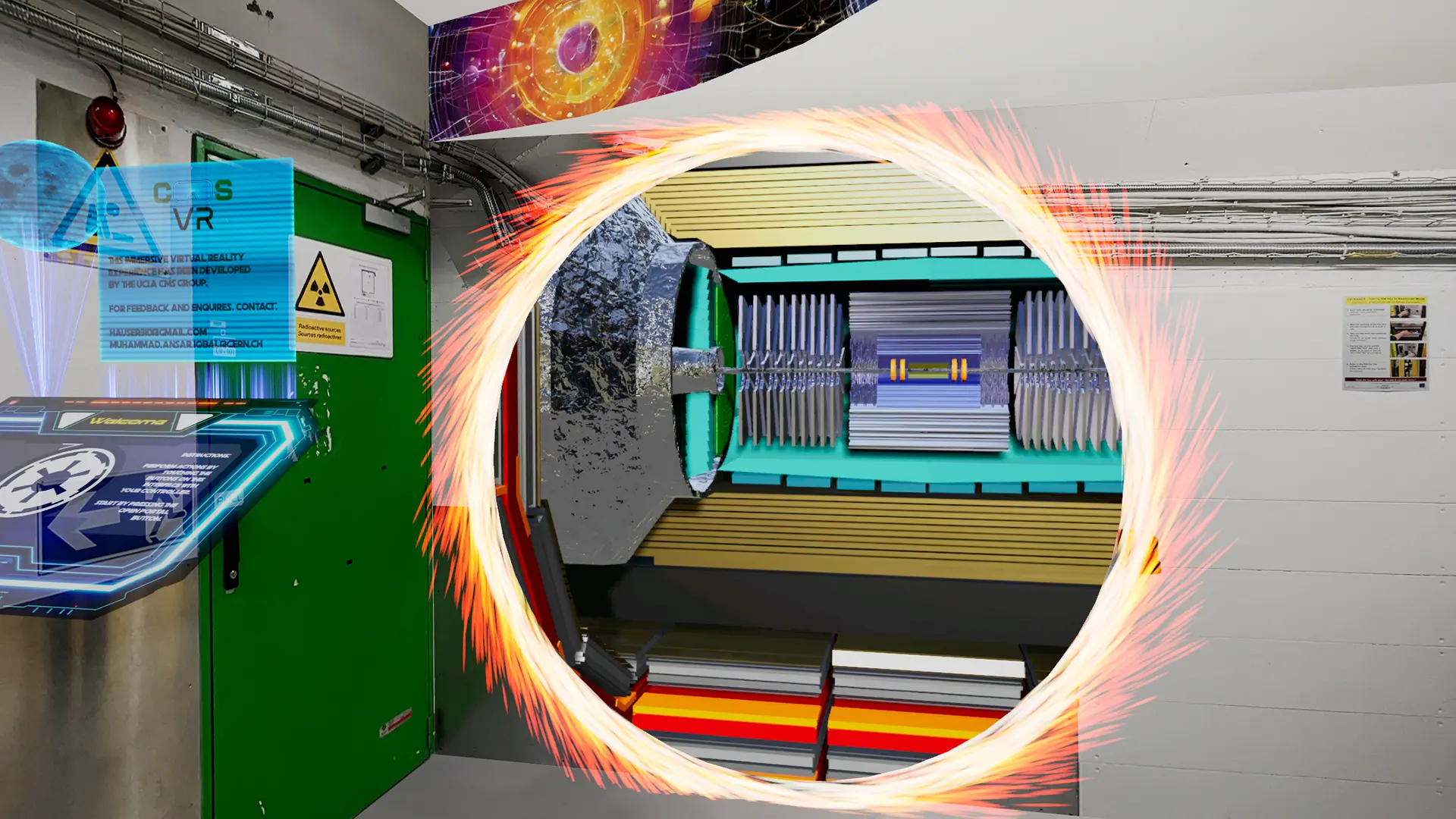
We creates virtual reality simulations for scientific visualizations, mainly for physics and astrophysics, but also for math or quantum computing. Working in our group will involve either improving our existing VR projects, available at the link below, or creating new ones.

Required

  • We are looking for students who are good programmers, ideally in C++ (Python is less ideal).

Preferred

  • Major in Physics, Astrophysics, Computer Science, or Math
  • Sophomores or juniors are generally the best fit.

Bonus

  • Experience with data analysis, visualization, or the Unity game development engine are a plus.
Lithgow-Bertelloni lab cover photo
Professor Lithgow-Bertelloni headshot

Professor Lithgow-Bertelloni

We research the interior of the Earth and its impact on surface processes. We have also developed techniques that combine particle image velocimetry and thermometry to visualize flow in very viscous fluids. Projects vary from image processing to computer modeling to lab experiments, such as fluid dynamical experiments to study the dynamics of mantle plumes.
Required

  • Enthusiastic and self-directed learners

Preferred

  • Some background in Earth and planetary sciences and strong quantitative skills are preferred, but not essential for all projects.
Maynard lab cover photo
Professor Maynard headshot

Professor Maynard

We research the frontiers of polymer chemistry and medicine, spanning protein-polymer conjugates, glucose-responsive drug delivery systems, and biomimetic materials inspired by natural molecules. Working in our lab could include polymer synthesis, purification and characterization.

Required

  • Completed Chem 30A-C series and the relevant laboratories
  • Interested in both polymer chemistry and high throughput experimentation techniques.
Athavale lab cover photo
Professor Athavale headshot

Professor Athavale

We engineer and design new proteins and enzymes to solve long standing challenges in chemistry and biology. We use synthetic organic chemistry and directed evolution for creating new-to-nature biocatalysts. We are also exploring protein design for the development of new therapeutics, and to investigate foundational questions in the evolution of proteins at the origins of life.
Required

  • Interested in at least one of the following topics: organic chemistry, protein biochemistry and evolution, computational chemistry, computational protein design
  • Can commit to working in the group for 2+ years
  • (For computational projects) Strictly computationally inclined students with a background in math, computer science or machine learning are also welcome

Preferred

  • Available for summer research
  • Currently in first or second year if minimal prior research experience

Bonus

  • Prior research experience in one of the following: synthesis, molecular biology, bioinformatics, protein design
Bianchi lab cover photo
Professor Bianchi headshot

Professor Bianchi

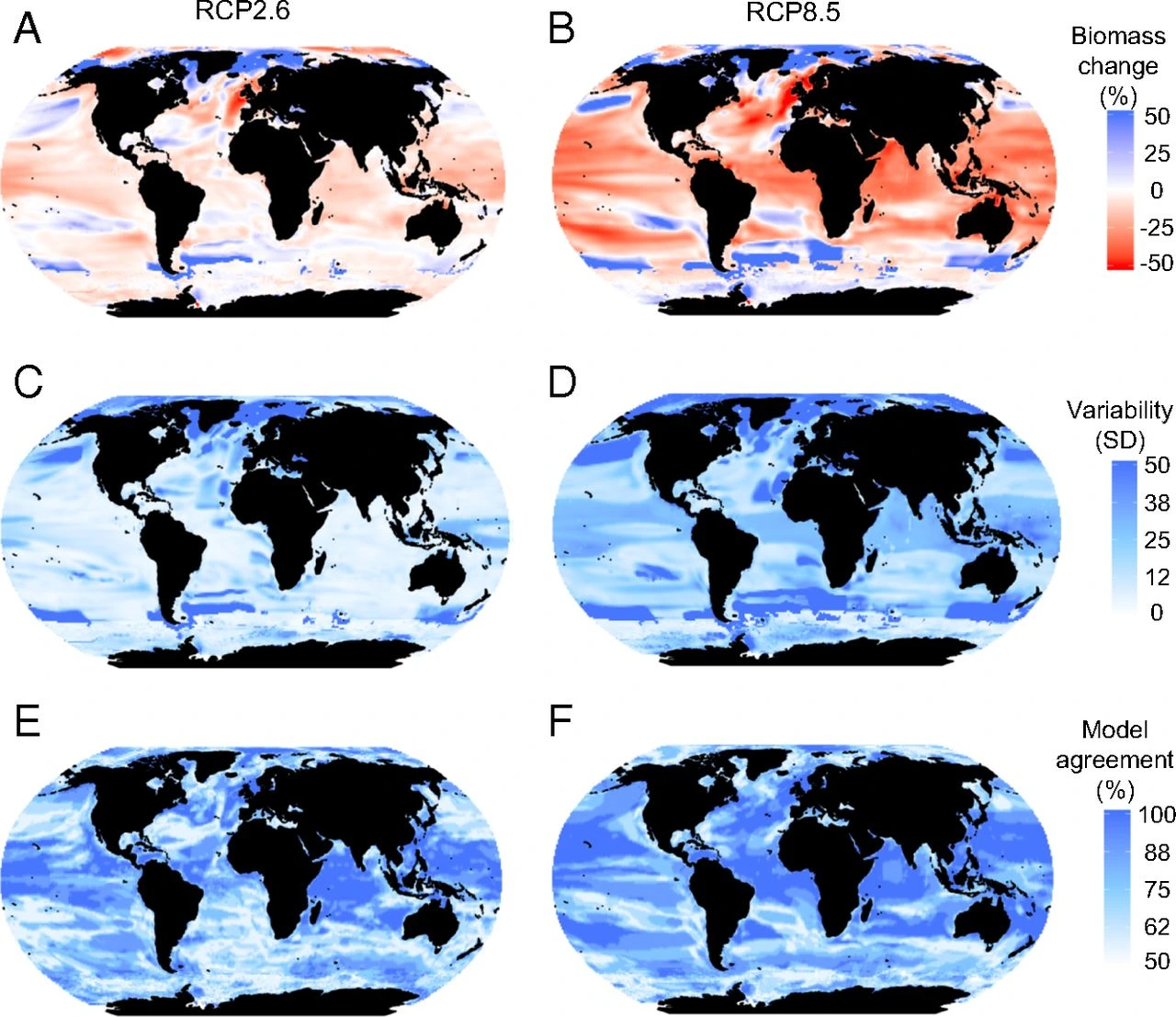
We study how ocean circulation interacts with climate and marine life, with a focus on the global cycles of carbon, oxygen, and nutrients and their effects on marine ecosystems. Current research includes ocean oxygen minimum zones, greenhouse gas emissions, the California Current, and global fisheries. Working in our lab involves analyzing ocean datasets and using statistical and numerical models using scientific programming languages.
Required

  • Interest in marine science and/or statistical data analysis
  • Motivation and eagerness to learn
  • Willing to work with scientific programming languages (e.g., Python, Matlab)

Preferred

  • Solid quantitative skills
  • Basic programming experience
  • After an initial "trial" quarter to see if you like the lab, you should commit to multiple quarters of research thereafter.
  • Relevant background or willingness to take oceanography/marine sciences courses
Stutz lab cover photo
Professor Stutz headshot

Professor Stutz

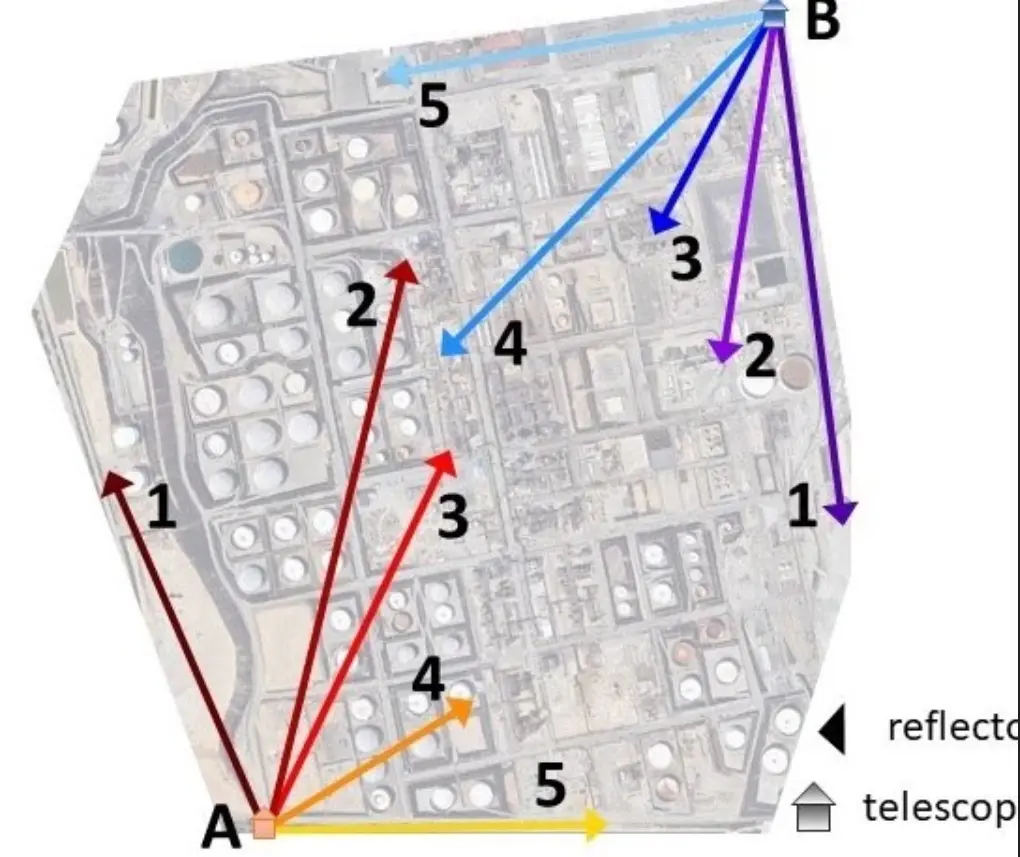
Atmospheric spectroscopy, the observation of changes in the color of light as it travels through the atmosphere, offers exciting opportunities to study our environment. Our research group employs atmospheric spectroscopy, together with numerical tools, to study a range of topics, including air pollution, the impact of the ground and snow on atmospheric composition, wildfires, and plant photosynthesis. We also develop and apply spectroscopic instruments for research and for emission monitoring.

Required

  • Interest in air pollution, plant photosynthesis, or optical instruments
  • Willingness to use computer programming (MATLAB or Python) to solve scientific
  • Motivation and eagerness to learn

Preferred

  • Experience in MATLAB, Python, or other programming languages
  • Willingness to work in both laboratory and field environments
  • Can continue research in the summer